- +92 303 8239563
- info@adyanmigrants.com
- Office No: 6, Gul Shopping Mall, Opposite to Faysal Bank Thana Chowk Katlang, Mardan

Unlike decentralized educational systems, Malaysia channels all international student operations through a singular, highly structured government corporate body: Education Malaysia Global Services (EMGS). For educational consultancies and international applicants, understanding the precise, multi-tiered architecture of EMGS is the key to securing flawless enrollments and legal compliance.
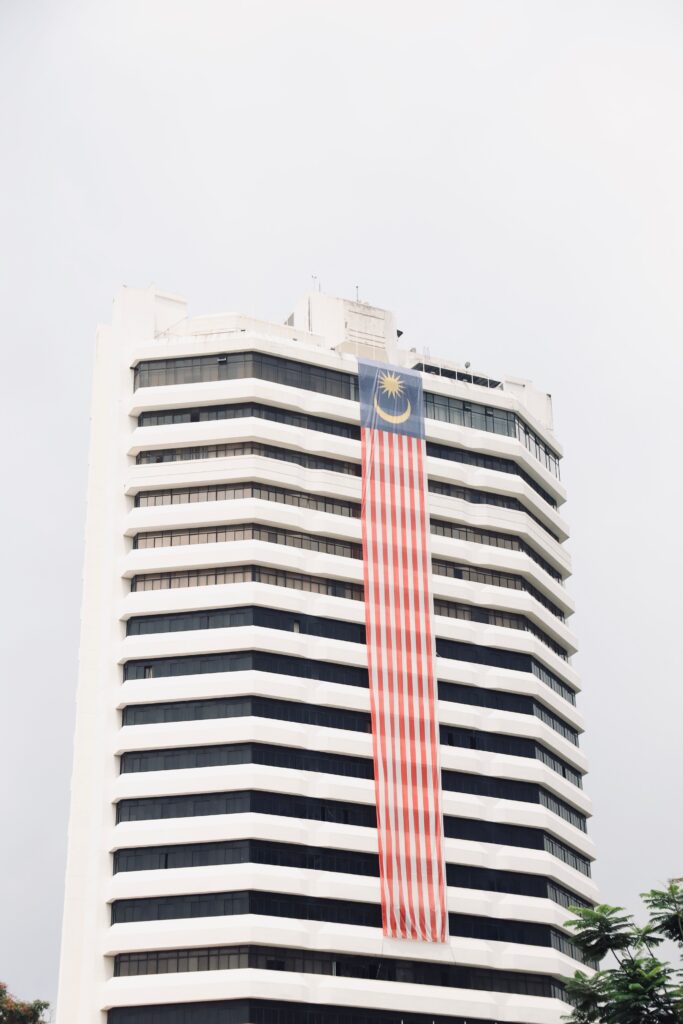
Malaysia has established itself as a massive regional hub by offering dual-degree structures, foreign branch campuses (like Monash, Nottingham, and Curtin), and highly ranked local public institutions (such as Universiti Malaya).
The student visa architecture in Malaysia is highly digital, yet it follows a strict sequence of official handoffs between the university, EMGS, and the Malaysian Immigration Department.
International students must be outside Malaysia when their visa application is initiated. Once the university uploads the applicant’s complete file to the EMGS portal, the system tracks progress as a percentage.
Possessing an eVAL does not automatically allow airport entry for all nationalities.
Landing at Kuala Lumpur International Airport (KLIA/KLIA2) is simply the entry point. The student is given a temporary Special Pass stamp at the border, which acts as a window to complete on-shore legalities.
1.Post-Arrival Medical Screening:Within 7 Days of Arrival.
Report to an official EMGS-panel clinic or laboratory inside Malaysia. The student must undergo a mandatory physical examination, urine test, and blood analysis. Clear results are required to advance the immigration status.
2.Passport Submission for Endorsement:Immediately After Medical Clearance.
Hand over the physical passport, the clean medical report, and the institution’s verified Personal Bond form to the university’s International Office. The university passes these to EMGS for final Immigration processing.
3.Student Pass Sticker Affixation:System Processing.
The Immigration Department replaces the temporary Special Pass with the official Student Pass sticker, which specifies the exact program duration and valid institutional alignment.
4.i-Kad Issuance:Final Step.
EMGS prints and issues the i-Kad—the official biometric national identity card for international residents in Malaysia. This card serves as a valid substitute for a passport during domestic travel and day-to-day identification.
For students planning their post-graduation steps, Malaysia features an active Graduate Pass framework. Upon completing their degree, international graduates can apply for a 12-month non-renewable social visit pass. This allows them to reside in the country legally while seeking corporate sponsorship or gaining professional experience without requiring an immediate corporate work visa.